
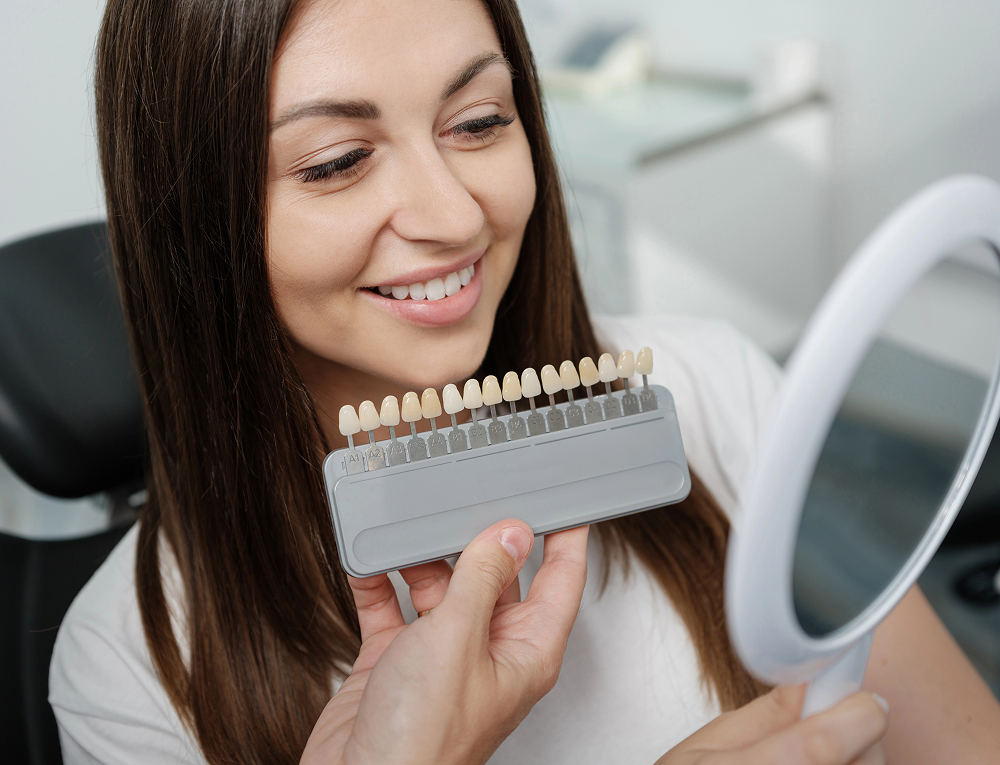
Porcelain veneers can transform your smile, but their longevity and appearance depend on more than just the initial procedure. Many people overlook subtle factors—like how certain foods, everyday habits, or minor mistakes can weaken bonds, cause chips, or lead to staining over time. Understanding these often-unmentioned risks allows you to protect your investment, maintain a bright, natural-looking smile, and avoid costly repairs, all while enjoying your favorite foods and daily routines safely.
Understanding Porcelain Veneers
Porcelain veneers are thin, custom-crafted shells designed to cover the front surface of teeth, enhancing color, shape, and alignment. What many people don’t realize is that veneers rely not only on their material strength but also on the integrity of the underlying tooth and bonding process. Even minor shifts in bite, excessive pressure, or repeated exposure to staining substances can compromise the veneer’s longevity. Unlike natural enamel, veneers don’t regenerate, so any chips, cracks, or discoloration are permanent unless professionally addressed. Proper care requires awareness of both visible and invisible factors—like how saliva flow, oral pH, and habitual chewing patterns can subtly affect the bond and surface of your veneers over time.
Foods to Avoid After Getting Porcelain Veneers
After getting porcelain veneers, certain foods can silently undermine their appearance and durability. Dark-colored foods and beverages—like coffee, red wine, soy sauce, and berries—can gradually stain the surface if consumed frequently. Hard and crunchy items such as nuts, ice, or hard candies may cause micro-cracks or chips that aren’t immediately visible. Sticky and chewy sweets, including caramel or taffy, can stress the bonding and increase the risk of loosening. Even acidic foods and drinks, like citrus fruits, soda, or vinegar-based dishes, can weaken the enamel underneath veneers, affecting their long-term stability. Being mindful of these dietary risks helps protect your smile without limiting enjoyment.
Common Mistakes in Veneer Care
Many veneer issues arise not from accidents but from everyday habits people rarely consider. Skipping regular dental checkups or brushing too aggressively can wear down the bonding edges or cause micro-fractures. Using abrasive toothpaste or hard-bristled brushes may scratch the porcelain surface, making it more prone to staining. Some patients unknowingly bite nails, open packages with teeth, or chew on pens, which can chip veneers over time. Ignoring early signs of loosening, small cracks, or discoloration is another common error, allowing minor problems to escalate into costly repairs. Understanding and avoiding these subtle mistakes is key to maintaining the appearance and longevity of your veneers.
Tips for Maintaining Porcelain Veneers Long-Term
Porcelain veneers can last many years, but their longevity depends on careful daily habits and mindful choices. Beyond basic brushing and flossing, there are subtle practices that make a significant difference:
- Use a soft-bristled toothbrush and non-abrasive toothpaste – Hard bristles or gritty toothpaste can scratch the veneer surface, making it more prone to stains over time.
- Avoid biting hard objects – Refrain from chewing ice, pens, fingernails, or opening packages with your teeth, as even minor pressure can cause micro-fractures.
- Be cautious with sticky and chewy foods – Caramel, taffy, and similar candies can loosen veneers or stress the bonding.
- Limit staining beverages and foods – Coffee, red wine, dark sauces, and berries can slowly discolor veneers if consumed frequently; rinsing with water after intake helps minimize risk.
- Protect against teeth grinding – If you grind or clench your teeth at night, a custom night guard can prevent cracks or wear.
- Mind acidic foods and drinks – Citrus, soda, and vinegar-based items can weaken enamel under the veneers, impacting overall stability.
- Maintain regular dental visits – Professional cleanings and checkups detect early wear, minor chips, or loosening before they become serious problems.
- Pay attention to subtle changes – Shifts in bite, small cracks, or minor discoloration often indicate early issues that need prompt evaluation.
- Practice gentle flossing techniques – Slide floss carefully around each veneer to avoid prying at the edges and weakening the bond.
- Consider lifestyle adjustments – Smoking, excessive alcohol, or habitual consumption of very hot or cold foods can subtly affect the veneer surface and bonding over time.
Following these practices consistently helps ensure your porcelain veneers remain strong, natural-looking, and resistant to damage. They protect not just the veneers themselves but also the underlying teeth, supporting long-term oral health while maintaining a confident, radiant smile.
Protective Measures for Veneers During Sports and Physical Activity
Porcelain veneers, while durable, can be vulnerable to impact from sports or physical activity. Many people overlook the subtle risks associated with high-contact or recreational activities. Wearing a custom-fitted mouthguard during contact sports like basketball, soccer, or martial arts can absorb shocks and prevent chips or fractures. Even non-contact activities, such as cycling or skateboarding, carry a risk of accidental falls—mouthguards or soft protective gear can safeguard your smile. Additionally, avoid habits like holding objects in your mouth during workouts, which can place unexpected stress on veneers. Being proactive with protective measures ensures that your veneers remain intact, maintaining both their aesthetic quality and the health of the underlying teeth for years to come.
Lifestyle Adjustments to Protect Your Veneers
Your daily habits and lifestyle choices play a significant role in the longevity of porcelain veneers. Limiting smoking and excessive alcohol consumption can reduce staining and protect the veneer surface. Be mindful of extremely hot or cold foods and beverages, which may stress the porcelain or underlying enamel. Even habitual chewing on pens, fingernails, or other non-food items can cause unnoticed micro-damage over time. By making small, intentional adjustments to these everyday behaviors, you help preserve both the strength and appearance of your veneers, ensuring a long-lasting, natural-looking smile.
Conclusion
Porcelain veneers are a long-term investment in your smile, but their beauty and durability depend on mindful care. Avoiding certain foods, harmful habits, and common mistakes can prevent staining, chipping, or bond weakening. Incorporating protective routines, practicing gentle oral hygiene, and staying alert to subtle changes will help your veneers remain strong and natural-looking for years. For personalized guidance on maintaining your veneers or addressing any concerns, visit District Dental Solutions or call (202) 955-5787 to schedule an appointment and keep your smile healthy, bright, and confident.