
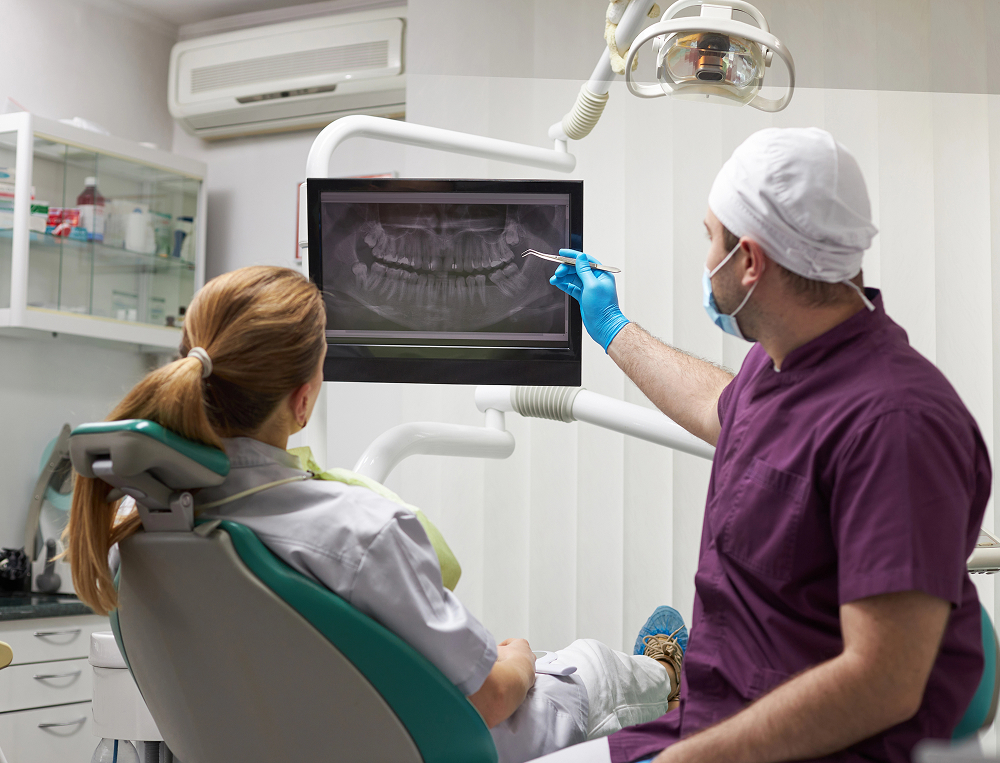
Dental x-rays are often seen as a routine part of dental visits, but few adults pause to consider how these images shape long-term oral health strategies. Beyond detecting cavities, x-rays reveal subtle changes in bone density, early signs of gum disease, and hidden issues beneath existing restorations—information that can dramatically alter treatment plans. Understanding the right frequency for adult dental x-rays isn’t just about safety—it’s about making informed decisions that protect your smile for decades.
Understanding Dental X-Rays
Dental x-rays are more than just images of teeth—they are a window into the hidden structures that support your oral health. They reveal early signs of issues that are invisible during a visual exam, such as tiny cracks, early decay between teeth, and subtle changes in jawbone density. Adults may encounter several types, from bitewing x-rays that focus on individual teeth to panoramic x-rays that capture the full jaw and sinus areas. Modern digital x-rays have revolutionized this process, providing high-resolution images with minimal radiation. Beyond detection, these images allow dentists to track changes over time, helping to anticipate future concerns rather than simply react to immediate problems. In many cases, x-rays also uncover patterns that patients never feel, such as slow bone loss around a single tooth or hidden infection beneath an old filling. This deeper insight supports more precise treatment planning and helps preserve natural teeth longer.
Why Frequency Matters: Balancing Safety and Necessity
Determining how often adults need dental x-rays isn’t just about checking a box—it’s a careful balance between detecting hidden issues early and avoiding unnecessary exposure. Every x-ray provides a snapshot of your oral health, but repeated imaging without clear need offers little benefit and can create unnecessary concern. Factors like age, past dental history, restorations, and risk for gum disease influence how often x-rays should be taken. For instance, subtle bone changes or early decay may only be visible through periodic imaging. Thoughtful scheduling allows dentists to catch problems before they escalate, while respecting patient safety and avoiding over-testing.
Guidelines from Professional Organizations
Professional dental organizations provide evidence-based recommendations to guide how often adults should get dental x-rays. These guidelines are designed to balance early detection with minimizing unnecessary exposure, but what is less commonly discussed is how much flexibility exists for individual needs. X-ray schedules are not one-size-fits-all; they consider risk factors, prior dental history, and even lifestyle elements that influence oral health.
Key guidance from leading organizations includes:
- American Dental Association (ADA) Recommendations
- Bitewing x-rays: every 12–24 months for adults with healthy teeth and low risk of decay.
- Full-mouth series: once every 3–5 years for routine adult monitoring.
- Panoramic x-rays: typically used for orthodontic evaluation, implant planning, or detecting jawbone changes.
- Personalized Adjustments by Dentists
- Adults with extensive restorations, crowns, or implants may need x-rays more frequently to monitor underlying structures.
- Patients with gum disease or a history of cavities may require shorter intervals between bitewing x-rays.
- Seniors or adults with systemic conditions affecting bone health may benefit from periodic panoramic or full-mouth imaging.
- Risk-Based Considerations
- Smoking, certain medications, and high-sugar diets can increase decay risk, influencing x-ray frequency.
- Dentists may recommend digital imaging to track subtle changes over time, reducing overall radiation exposure while capturing critical information.
These guidelines highlight that adult dental x-ray schedules are not rigid rules but adaptable tools to preserve long-term oral health while keeping safety at the forefront.
Special Considerations for Different Adult Groups
Not all adults benefit from the same x-ray schedule—individual health, dental history, and lifestyle significantly influence imaging needs. Healthy adults with minimal restorations may only need bitewing x-rays every two years, while those with crowns, implants, or previous cavities often require more frequent monitoring. Seniors may face unique challenges, such as bone density loss or hidden decay beneath dentures or bridges, which necessitate periodic panoramic or full-mouth imaging. Adults with higher risk factors—smokers, people with diabetes, or those prone to gum disease—may also need tailored schedules. Recognizing these differences allows dentists to catch early changes while avoiding unnecessary exposure for low-risk patients.
Practical Tips for Adult Patients
Understanding the right frequency for dental x-rays can feel overwhelming, but small steps can help adults take control of their oral health. Beyond following standard schedules, being proactive and informed ensures that x-rays are used effectively and safely.
- Ask Targeted Questions
- Inquire why a particular x-ray is recommended and what it will reveal.
- Ask how it fits into your long-term oral health plan. (Keywords: “when to get dental x-rays adult patient”)
- Maintain a Personal Imaging Record
- Keep copies of all past x-rays to prevent unnecessary repetition.
- Note dates, types of x-rays, and any findings to discuss with your dentist. (Keywords: “adult dental exam x-rays”)
- Integrate X-Rays with Routine Checkups
- Schedule x-rays alongside regular cleanings to reduce extra visits.
- This approach supports preventive care while minimizing disruption to busy schedules. (Keywords: “adult dental checkup x-rays,” “preventive dental x-rays adult schedule”)
- Consider Risk Factors
- Share lifestyle habits, medications, or medical conditions that may affect oral health.
- These factors can help your dentist tailor x-ray intervals specifically for you.
- Embrace Digital Imaging
- Ask about digital x-rays, which provide clearer images with lower radiation exposure. (Keywords: “digital dental x-rays for adults”)
- Ask about digital x-rays, which provide clearer images with lower radiation exposure. (Keywords: “digital dental x-rays for adults”)
These practical strategies empower adults to make informed decisions, ensuring that x-rays provide maximum benefit without unnecessary exposure. By taking an active role in conversations about imaging frequency, safety measures, and long-term planning, patients become partners in their care rather than passive recipients of routine procedures.
Final Thoughts: Making Informed Decisions About Your Dental X-Rays
Finding the right balance for adult dental x-rays is about more than following a schedule—it’s about understanding your unique oral health needs, minimizing unnecessary exposure, and using imaging as a tool to prevent problems before they start. By staying informed, tracking your dental history, and discussing your personal risk factors with your dentist, you can ensure x-rays provide meaningful insight for long-term oral health. For personalized guidance and expert care in Washington, DC, visit us at District Dental Solutions or call (202) 955-5787 to schedule an appointment.