
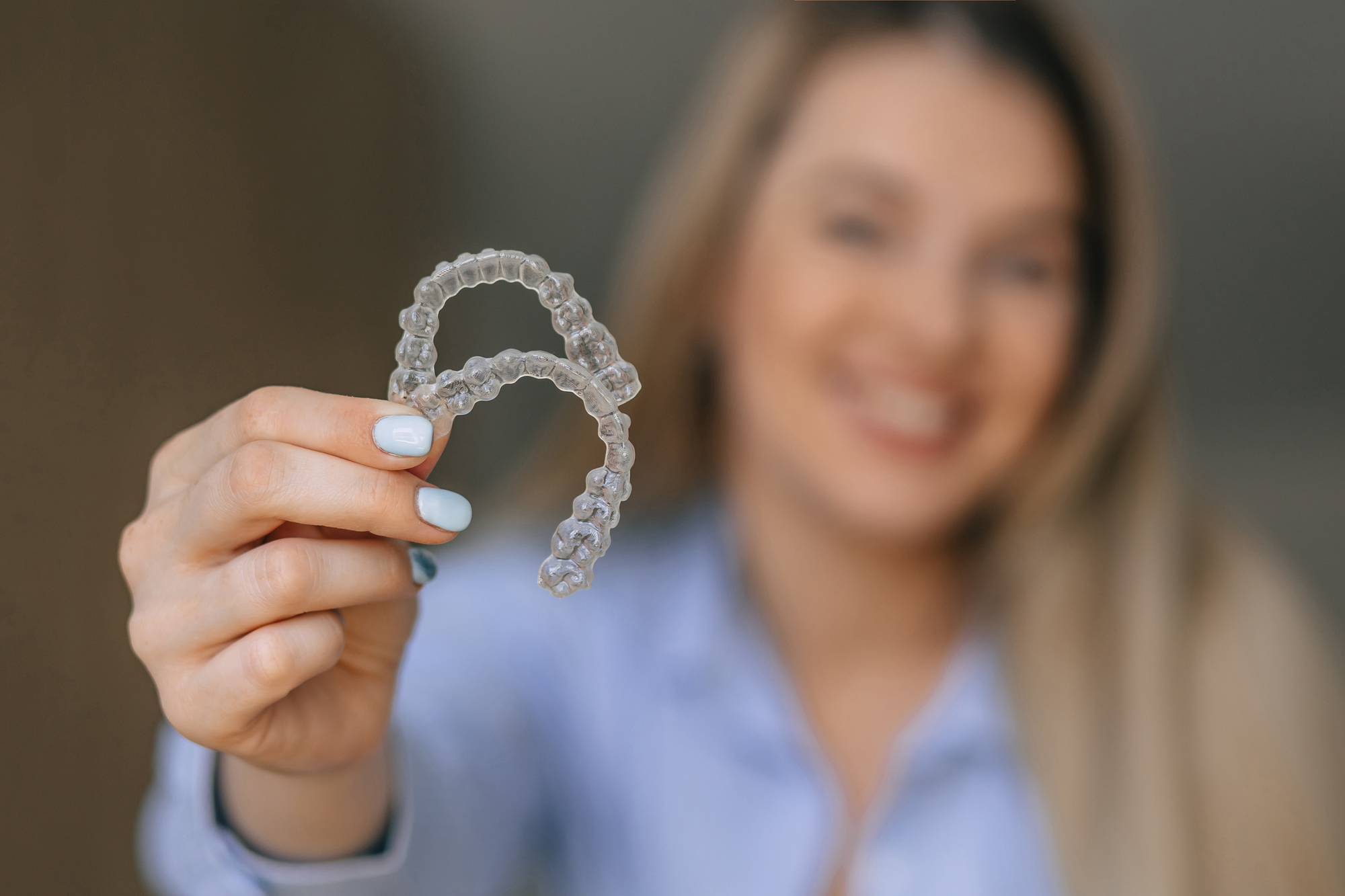
Bite issues—like overbite, underbite, or crossbite—affect more than just your smile; they influence chewing, jaw comfort, and long-term dental health. Many adults assume traditional braces are the only solution, but Invisalign offers a discreet alternative that can address certain bite problems while fitting into busy lifestyles. Understanding which bite issues Invisalign can realistically correct—and when more complex interventions are needed—helps adults make informed choices for both function and aesthetics.
Understanding Bite Issues
A proper bite is more than just how your teeth meet—it’s how your jaws, muscles, and teeth work together to chew, speak, and maintain overall oral health. Bite problems, or malocclusions, can take several forms. An overbite occurs when upper teeth extend too far over lower teeth, while an underbite pushes lower teeth forward. Crossbites and open bites create uneven pressure, leading to excessive wear, jaw strain, and even headaches. Adults often overlook subtle misalignments because they may cause no immediate pain, yet over time they can contribute to enamel erosion, gum recession, and TMJ discomfort. Recognizing the type and severity of a bite issue is the first step in determining whether Invisalign—or another orthodontic approach—can effectively restore alignment.
How Invisalign Works for Bite Correction
Invisalign uses a series of clear, custom-made aligners to gently guide teeth into optimal positions over time. Each aligner applies precise, controlled pressure to specific teeth, gradually shifting them while maintaining overall bite balance. Digital scans and 3D modeling allow dentists to map out the entire treatment, predicting how teeth and bite will move week by week. For certain bite issues—like mild overbites, underbites, or crossbites—this technology can improve alignment without traditional braces. Unlike fixed appliances, Invisalign aligners are removable, making it easier for adults to maintain oral hygiene and accommodate lifestyle needs, while still addressing both cosmetic concerns and functional bite problems.
Comparing Invisalign with Traditional Braces
Invisalign and traditional braces both move teeth effectively, but they differ in experience and practicality—especially for adults. Clear aligners are nearly invisible, removable, and allow for easier brushing and flossing, which reduces the risk of plaque buildup and staining. Braces, while highly effective for complex bite corrections, can cause discomfort from wires and brackets and require more intensive oral hygiene. Treatment timelines can be similar, but Invisalign relies on patient compliance; aligners must be worn 20–22 hours per day. Adults with mild to moderate bite issues often prefer Invisalign for its discreet appearance and lifestyle flexibility, while traditional braces remain a strong option for severe misalignment or jaw-related bite challenges.
Who Can Benefit from Invisalign
Invisalign is a versatile orthodontic solution, but not every bite issue or patient is suited for clear aligners. Understanding who can realistically benefit helps adults make informed choices and set expectations for treatment outcomes.
- Adults with Mild to Moderate Bite Issues
- Overbites, underbites, and crossbites that are not severe can often be corrected with Invisalign. Adults who have previously worn braces may also find Invisalign effective for touch-ups or correcting minor shifts. (Keywords: “Invisalign for adults bite problems”)
- Overbites, underbites, and crossbites that are not severe can often be corrected with Invisalign. Adults who have previously worn braces may also find Invisalign effective for touch-ups or correcting minor shifts. (Keywords: “Invisalign for adults bite problems”)
- Patients Seeking Cosmetic and Functional Improvements
- Adults who want to straighten teeth while addressing bite alignment can achieve both aesthetic and functional benefits without the visibility of traditional braces.
- Professionals and Individuals with Busy Lifestyles
- Removable aligners allow adults to continue professional and social activities without drawing attention to dental work. Meals, oral hygiene, and special events are easier to manage compared to braces.
- Those Committed to Compliance
- Invisalign’s effectiveness depends on wearing aligners 20–22 hours per day. Adults who are motivated and disciplined tend to see predictable, high-quality results.
- Patients with Healthy Teeth and Gums
- Gum disease, untreated cavities, or missing teeth can limit Invisalign’s effectiveness. Adults with stable oral health are ideal candidates, as aligners require a strong foundation for controlled tooth movement.
- Adults Seeking Non-Invasive Bite Correction
- Invisalign provides gradual bite adjustment without wires, brackets, or frequent office visits for manual adjustments, making it appealing for those seeking a gentler approach to orthodontic care. (Keywords: “Invisalign for crooked bite adults,” “can Invisalign improve bite alignment”)
- Invisalign provides gradual bite adjustment without wires, brackets, or frequent office visits for manual adjustments, making it appealing for those seeking a gentler approach to orthodontic care. (Keywords: “Invisalign for crooked bite adults,” “can Invisalign improve bite alignment”)
While Invisalign is not suitable for severe skeletal bite issues or highly complex misalignments, it offers a practical, discreet, and effective alternative for many adults. Proper evaluation by a qualified dentist ensures that patients select the treatment path that best balances aesthetics, bite function, and long-term dental health.
Pros and Limitations of Invisalign for Bite Correction
Invisalign offers several advantages for adults seeking bite correction. Its clear, nearly invisible design provides a discreet solution, while removable trays make eating, brushing, and flossing easier compared to traditional braces. The gradual, controlled tooth movement allows for both cosmetic and functional improvements, and digital treatment planning ensures predictable results.
However, Invisalign has limitations. Severe bite misalignments or complex jaw discrepancies may require traditional braces or surgical intervention. Effectiveness relies heavily on patient compliance, as aligners must be worn 20–22 hours per day. Additionally, minor discomfort or speech adjustments can occur initially. Understanding these pros and limitations helps adults choose a treatment that balances aesthetics, convenience, and bite function.
Making the Decision
Deciding whether Invisalign is right for bite correction requires careful consideration of both dental needs and lifestyle factors. Adults should evaluate the severity of their bite issues, oral health stability, and commitment to wearing aligners consistently. Questions to ask include: Will Invisalign address my specific overbite, underbite, or crossbite? How long will treatment take compared to braces? Are there any limitations for my teeth or jaw structure? Discussing these factors with a qualified dentist ensures realistic expectations and an effective treatment plan. By weighing functional outcomes, aesthetics, and daily convenience, adults can choose a solution that improves both bite alignment and overall oral health.
Conclusion
Invisalign can be an effective and discreet solution for many adults looking to correct mild to moderate bite issues, including overbites, underbites, and crossbites. While it offers convenience, aesthetics, and gradual functional improvement, success depends on careful evaluation and consistent use. Understanding your bite, oral health, and lifestyle needs is essential to determine whether clear aligners are the right choice. For a personalized assessment and expert guidance on whether Invisalign can improve your bite, visit District Dental Solutions or call (202) 955-5787 to schedule an appointment and take the first step toward a healthier, more aligned smile.